
Executive summary
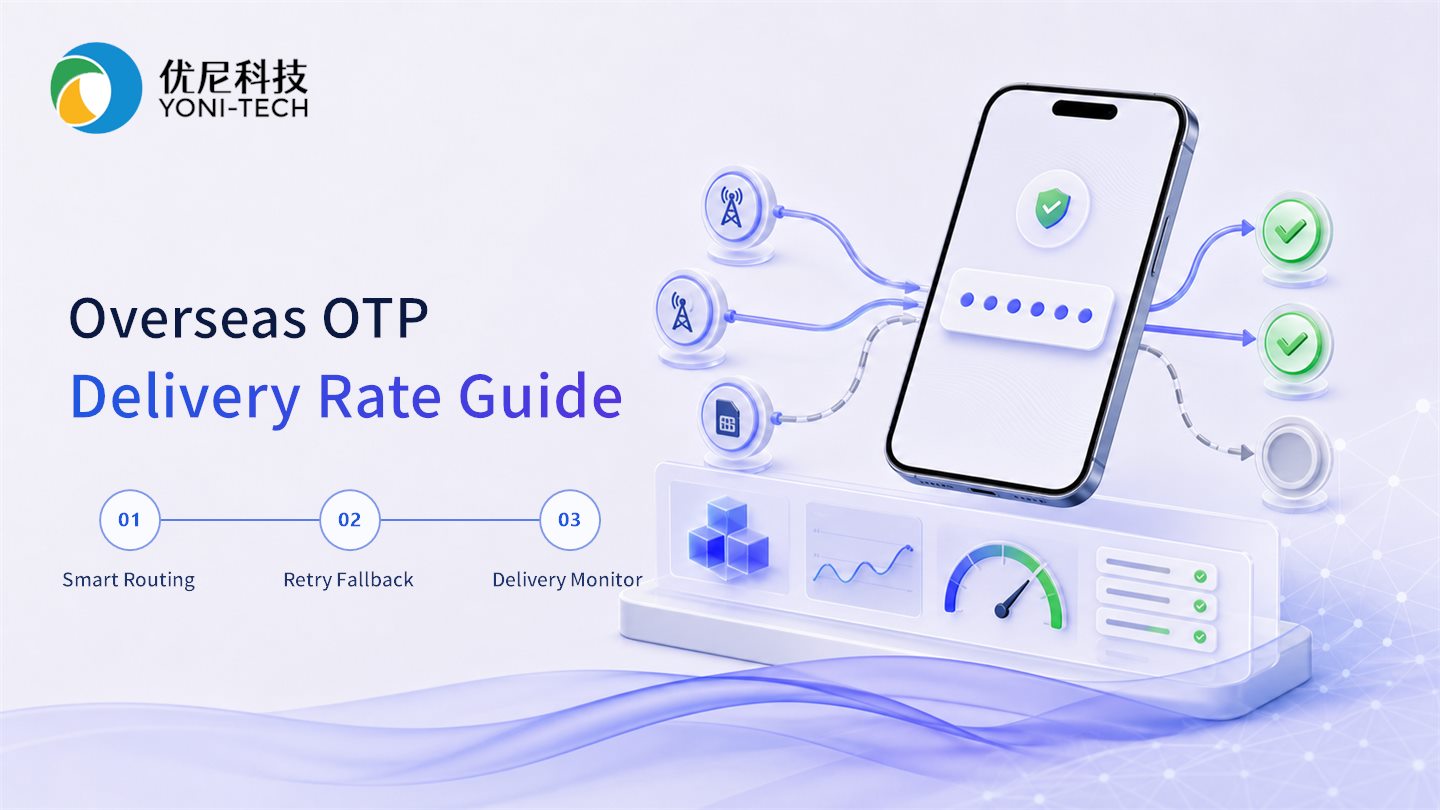
Overseas OTP SMS failure is rarely caused by one issue. Number quality, carrier routing, local compliance, content templates, traffic patterns, and fallback channels all affect delivery. Businesses should optimize number checks, country-level route monitoring, OTP templates, retry logic, and voice or WhatsApp fallback together.
Why overseas OTP SMS fails
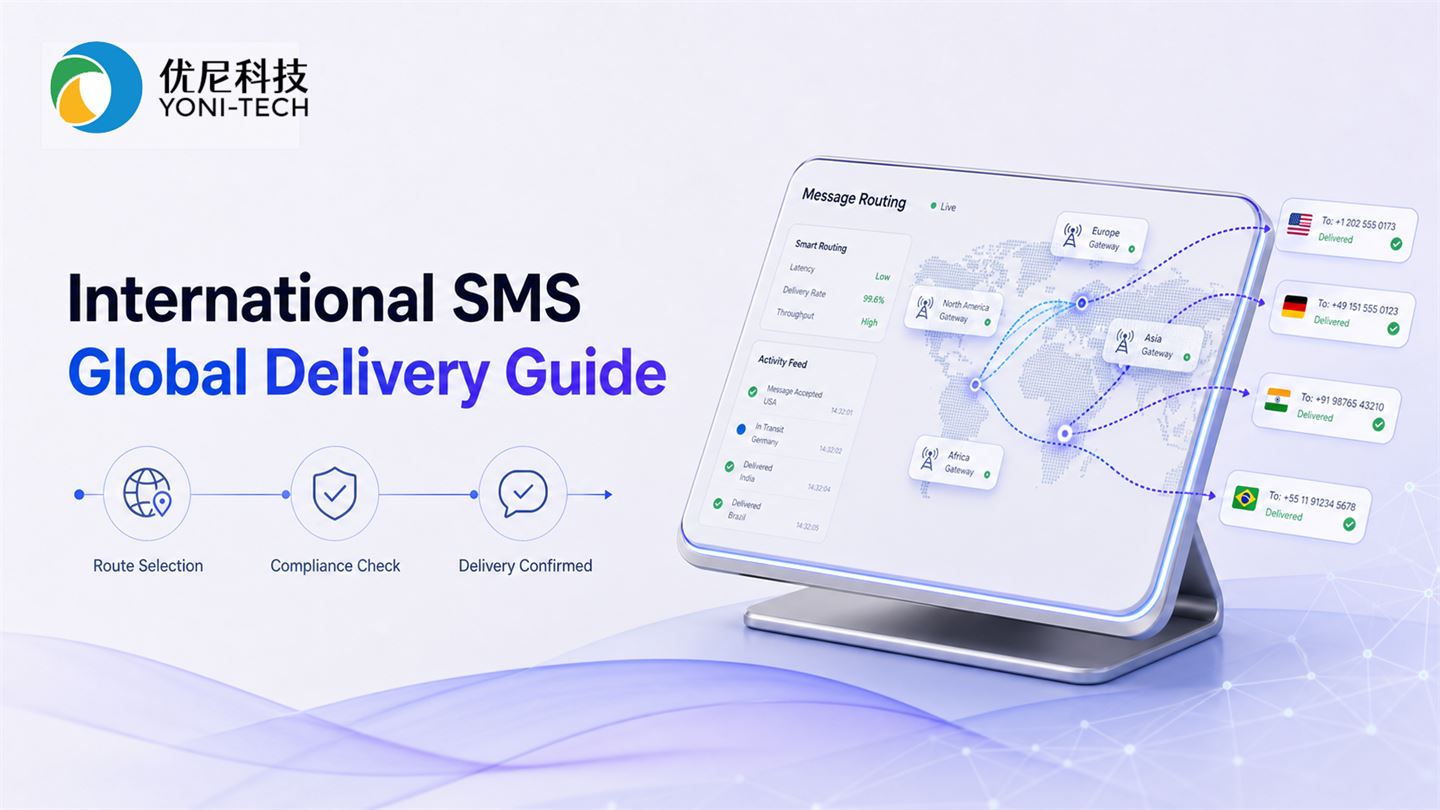
An OTP message looks simple to the user, but it travels through the business system, messaging platform, international A2P SMS routes, local carrier networks, and the user's device. A weak point in any part of that chain can create delay, failure, or filtering.
- Number-format errors: missing country codes, incorrect prefixes, or invalid mobile ranges can break routing
- Unreachable numbers: inactive, suspended, virtual, or SMS-disabled numbers create wasted sends
- Unstable routes: low-quality international SMS paths may cause latency, loss, or unclear receipts
- Unregistered Sender ID: some markets require sender registration before delivery is allowed
- Filtered templates: risky links, sensitive wording, or inconsistent brand names can reduce delivery
- Peak traffic: login, promotion, or payment spikes may trigger throttling
The main factors that affect OTP delivery rate
| Factor | Typical problem | How to optimize |
|---|---|---|
| Number quality | Wrong input, inactive numbers, or unsupported line types | Use format validation and number intelligence before sending |
| Route quality | High latency or weak receipt data in specific markets | Monitor delivery by country and carrier |
| Compliance | Sender ID, template, or opt-out rules are not handled locally | Prepare local registration and content review |
| OTP content | Unclear brand name, frequent template changes, or risky links | Keep templates short, stable, and recognizable |
| Retry logic | Repeated sends create congestion or risk controls | Set sensible intervals, limits, and fallback rules |
| Peak capacity | Campaign or payment spikes exceed expected volume | Forecast traffic and plan capacity in advance |
How to improve overseas OTP delivery systematically
Do not rely on a single global average. A 95% overall delivery rate may hide serious issues in one priority country, carrier, or time period. Businesses should make OTP delivery observable, diagnosable, and ready for fallback.
- Track delivery rate by country, carrier, message type, and time period
- Separate submitted, delivered, and verified-success metrics
- Use higher-quality routes for priority OTP markets
- Clean invalid or high-risk numbers before sending
- Set clear OTP expiry time and resend intervals
- Switch to voice OTP or WhatsApp reminders when SMS is delayed or fails
How SMS, voice OTP, and WhatsApp work together
| Channel | Best for | Watch for |
|---|---|---|
| International SMS OTP | Registration, login, and payment verification with broad reach | Delivery rate, latency, receipts, and compliance |
| Voice OTP | SMS fallback, weak-coverage regions, and high-value verification | Call frequency and user experience |
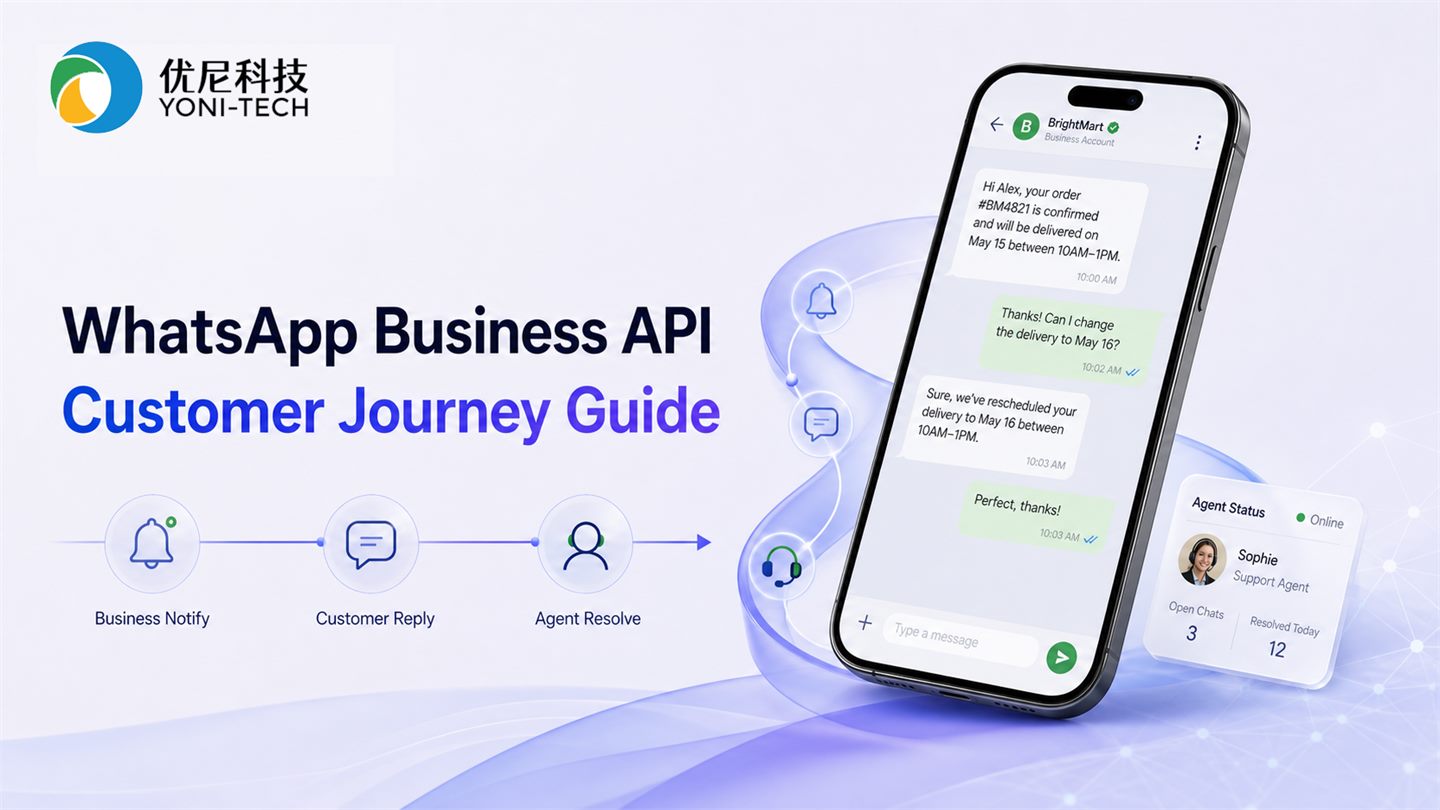
| Opted-in reminders, service notifications, and interactive confirmation | It should not be the only OTP channel in every market | |
| Number intelligence | Pre-registration checks, list cleaning, and unusual request detection | It supports but does not replace identity verification |
What to ask before choosing an OTP provider
Do not compare international SMS providers only by unit price. OTP affects registration, login, and payment conversion. The better metric is cost per successful verification and how quickly the provider can diagnose delivery issues.
- Can the provider cover your priority countries and major carriers with clear performance data?
- Can verification, notification, and marketing traffic use separate routing strategies?
- Are real-time receipts, failure reasons, and message logs available?
- Does the provider understand local Sender ID, template, and content rules?
- Can the platform support number intelligence, voice OTP, or fallback channels?
- Can the team advise on capacity before peak campaigns or payment events?
Turn OTP delivery into diagnosable metrics
Many teams only watch the delivered rate in a provider dashboard. For verification, the business result is whether the user completes the action before the code expires. Track three layers separately: platform submission, carrier delivery receipt, and verified success. The gaps between those layers usually explain more than a single average.
| Symptom | Likely cause | First check |
|---|---|---|
| Submitted but not delivered | Route quality, Sender ID, or local filtering | Break logs down by country, carrier, and template |
| Delivered but not verified | High latency, unclear brand identity, or short expiry | Review end-to-end time and on-page guidance |
| One market drops suddenly | Local compliance change, carrier throttling, or route switch | Check Sender ID, template approval, and fallback route |
| Peak-hour failures rise | Capacity limit or aggressive retry behavior | Review rate limits, queues, and resend intervals |
A practical optimization order for global teams
- Prioritize revenue-critical markets instead of spreading effort evenly across every country
- Separate registration, login, payment, and marketing traffic in routing and reporting
- Prepare voice OTP, WhatsApp reminders, or manual review for high-risk markets
- Keep Sender ID, template wording, link domains, and brand names consistent
- Review country-level anomalies weekly instead of waiting for support complaints
Frequently asked questions
How much OTP SMS delay is too much?
Performance differs by country and carrier, but OTP messages are usually expected within seconds. If users wait one or two minutes, registration or payment conversion can drop, and the route, throttling, or fallback strategy should be reviewed.
What is the difference between submitted, delivered, and verified success?
Submitted means the messaging platform accepted the request. Delivered means a carrier receipt was returned. Verified success means the user completed the business action before expiry. OTP programs should optimize verified success and end-to-end time, not submission alone.
Should OTP and marketing SMS share the same route?
Not as a long-term operating model. OTP traffic needs speed and stability, while marketing traffic is more exposed to content review, opt-out rules, and sending-frequency controls. Separate routing and reporting reduce cross-impact.
Does improving SMS delivery only mean buying a more expensive route?
No. Route quality matters, but number quality, template compliance, sending frequency, and retry logic also affect delivery. Diagnose the failure reason before changing the route.
Can voice OTP replace SMS OTP?
Voice OTP is usually best as a fallback, not a full replacement. SMS has broad reach and strong user familiarity. Voice is useful when SMS fails, coverage is weak, or the verification is high value.


 SMS
SMS  WhatsApp