

Executive summary
Choosing a global CPaaS provider should not start with unit price or country count alone. Evaluate the provider by mapping verification, transactional notifications, support conversations, marketing, and voice fallback into separate workflows, then testing coverage, compliance, route control, receipt quality, API reliability, and incident response.
What global CPaaS means for a cross-border business
CPaaS, or Communications Platform as a Service, packages SMS, voice, WhatsApp, email, number intelligence, and related communication capabilities into APIs and operating tools. Product, operations, and support teams can manage customer communication across markets from one infrastructure layer.
For global teams, communication is not just message delivery. It supports sign-up, login, payment confirmation, shipping updates, customer support, account recovery, and re-engagement. When those workflows are spread across isolated vendors, teams often inherit duplicate integrations, fragmented data, slow incident response, and unclear compliance ownership.
Start with use cases, not price
| Use case | Business goal | Capabilities to evaluate |
|---|---|---|
| Registration and login verification | Help real users complete OTP verification quickly | Low-latency SMS, voice fallback, number intelligence, country-level delivery |
| Transactional notifications | Confirm order, shipping, account, and payment status | Stable receipts, template governance, failure alerts, brand consistency |
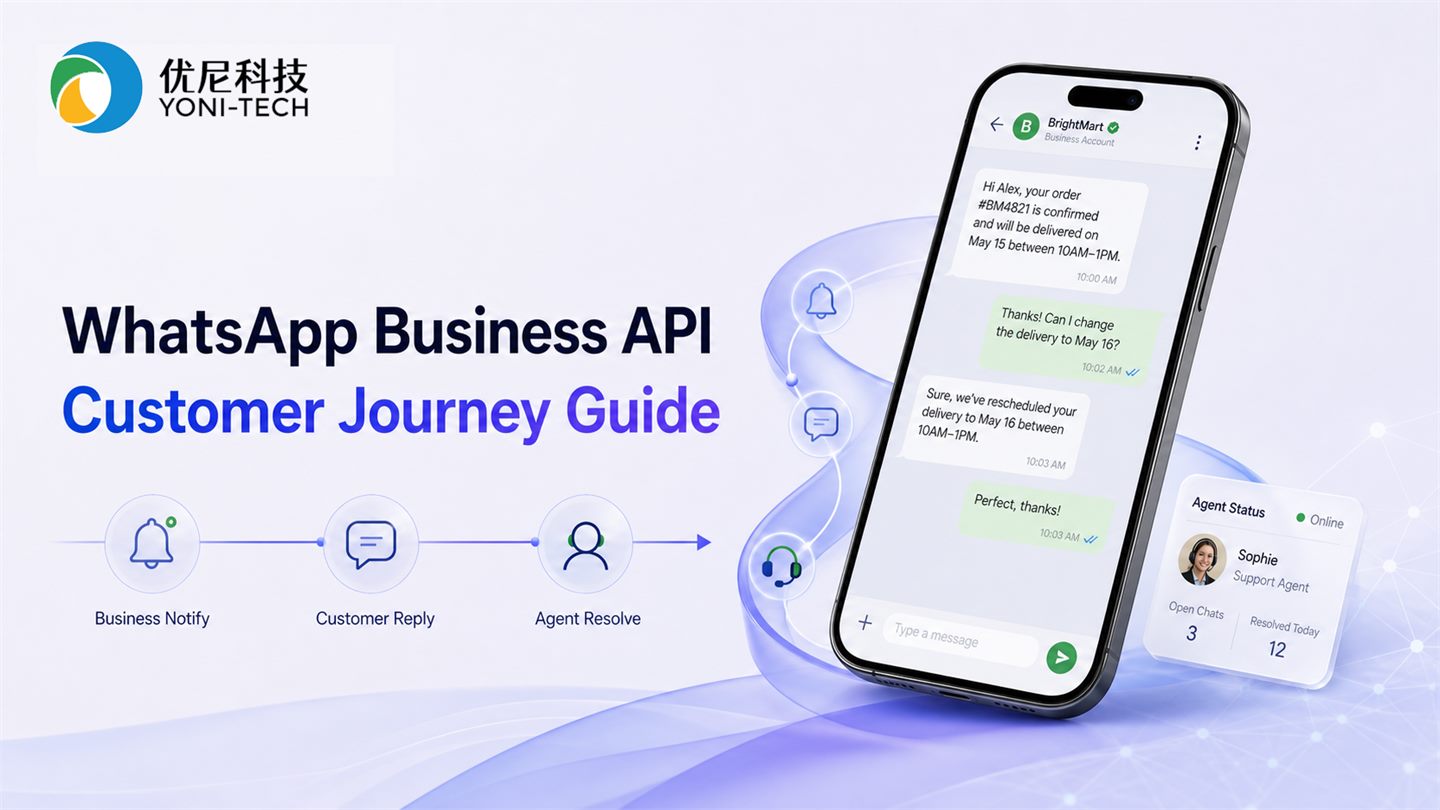
| Support conversations | Reduce repeated questions and preserve context | WhatsApp conversations, shared inbox, chatbot, human handoff |
| Marketing and re-engagement | Reach opted-in users and drive conversion compliantly | Consent records, opt-out handling, frequency controls, segmentation |
| High-risk account actions | Reduce fraud, takeover, and wrong-user contact | Number intelligence, step-up verification, risk integration, audit logs |
Country coverage is not the same as usable coverage
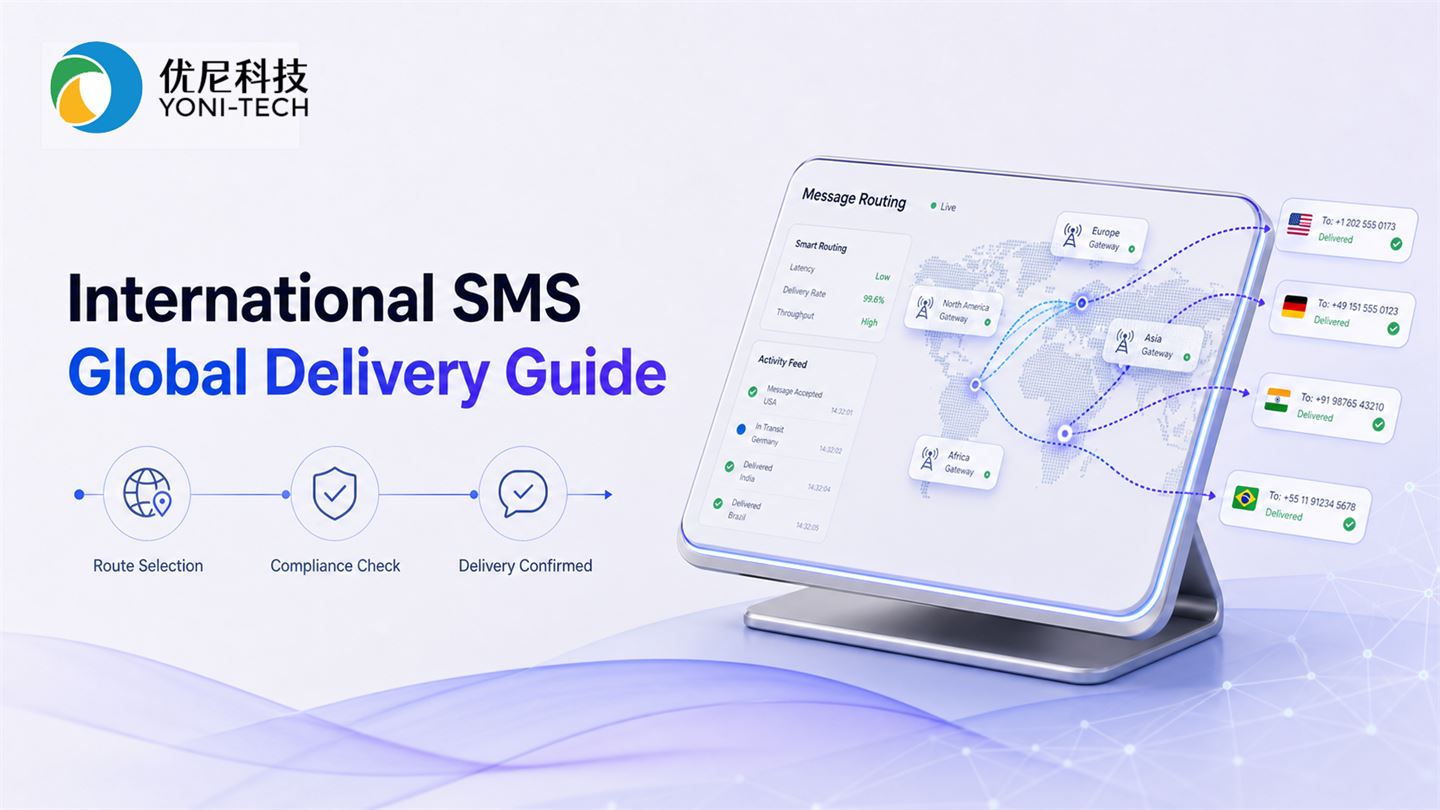
Many providers advertise the number of countries they cover. That number does not prove strong routes, local compliance experience, or explainable delivery data in your priority markets. Start with the countries that drive revenue, sign-ups, payment volume, or support load, then test those markets directly.
- Does the provider cover major carriers in your priority countries, not just the country name?
- Can verification, notification, and marketing traffic use separate routing strategies?
- Can teams inspect latency, delivery, failure, and verified-success data by country and carrier?
- Is there a clear process for Sender ID, templates, opt-out, and privacy requirements?
- Can the provider explain whether failures came from number quality, content, route, carrier, or throttling?
Route quality depends on control and observability
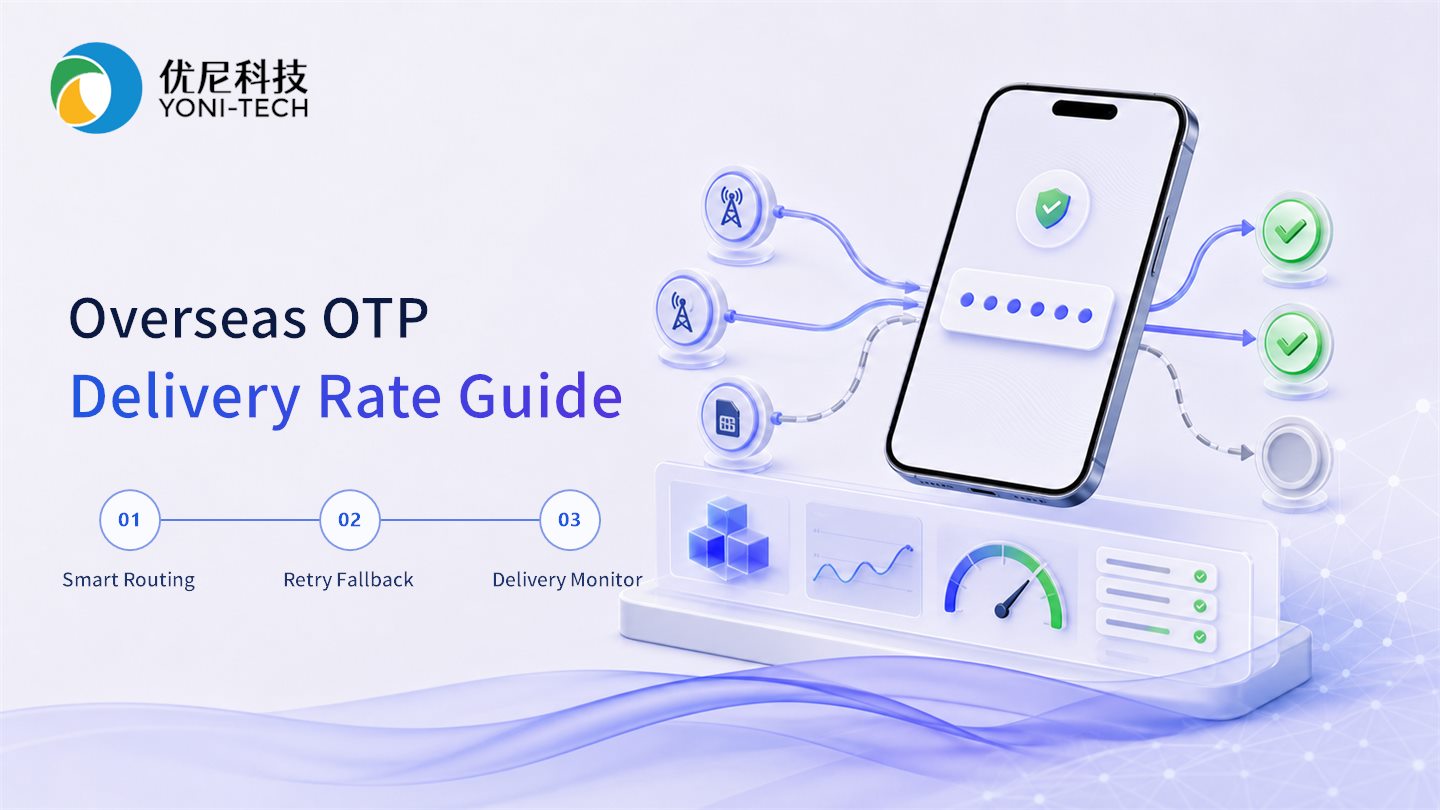
A CPaaS route should not behave like a black-box price table. A reliable platform helps teams understand key message states from API submission to carrier receipt and user completion. For OTP and payment notifications, the useful metrics are end-to-end time, failure reason, peak stability, and fallback behavior, not average delivery rate alone.
| Metric | Why it matters | How to verify |
|---|---|---|
| Submission success | Shows whether the API and platform accept requests reliably | Test normal and peak traffic |
| Carrier receipt quality | Shows whether message state is explainable | Review delivered, failed, expired, and related statuses |
| End-to-end latency | Directly affects OTP and payment conversion | Measure by country, carrier, and time period |
| Verified success | Connects messaging to the business result | Send verification completion events back to analytics |
| Failover time | Determines how quickly weak markets recover | Rehearse backup routes, voice fallback, and WhatsApp fallback |
Compliance depth separates serious CPaaS providers
Cross-border messaging rules affect both delivery and account risk. Countries differ on Sender ID, templates, marketing consent, opt-out, data retention, and sensitive-industry restrictions. A provider that only sells routes but cannot explain the local process may leave the business exposed to blocked messages, slow approvals, or rising complaints.
- Can the team explain Sender ID documentation and lead time in priority countries?
- Can verification, notification, and marketing templates be managed separately?
- Are consent records, delivery logs, opt-outs, and complaint handling auditable?
- Can the provider flag risky content, link domains, and inconsistent brand names?
- Are data access, log retention, and role permissions configurable?
APIs and dashboards must serve different teams
A good CPaaS platform should support developers and operators at the same time. API documentation, SDKs, webhooks, error codes, and logs drive integration speed. Dashboards for templates, country performance, failure reasons, and permissions determine whether operations and support teams can solve daily problems without waiting for engineering.
| Area | Engineering concern | Operations concern |
|---|---|---|
| API and SDK | Authentication, idempotency, rate limits, error codes, webhook retries | Integration timeline and clear exception explanations |
| Dashboard | Log search, request tracing, exports | Templates, segments, country performance, failure reasons |
| Permissions and audit | Key management, roles, IP restrictions | Who changed templates, launched campaigns, or handled complaints |
| Alerting | Error rate, latency, balance, route incidents | Whether issues are found before users complain |
Omnichannel orchestration matters more than one channel
Global businesses should not treat SMS, WhatsApp, voice, and email as isolated replacements for one another. Mature teams choose channels by message purpose and user state: SMS plus voice fallback for OTP, SMS plus WhatsApp for service notifications, WhatsApp for support conversations, and email for long-form records.
- Use urgency to choose the first channel: security and payment messages need low latency
- Use permission to choose channels: WhatsApp and marketing require consent discipline
- Use market preference: SMS, WhatsApp, and voice perform differently by country
- Use failure reason for fallback: unreachable numbers, filtered content, and throttled routes need different responses
- Use business value for retry rules: high-value verification can justify fallback, low-value notifications need frequency control
A practical POC checklist before buying
Do not rely only on a demo account. Before signing, run a proof of concept that resembles real operations. Pick three to five priority countries, include at least two workflows such as OTP and notifications, and test with real templates, realistic time windows, and controlled live numbers.
- Test major carriers in each priority country, not just one phone number
- Record platform submission, carrier receipt, and user completion events separately
- Simulate peak traffic, retry behavior, low balance, and route incidents
- Check whether support or operations can find failure reasons without engineering help
- Ask the provider for an incident review and optimization plan, not only a success-rate screenshot
Frequently asked questions
How is a CPaaS provider different from an SMS provider?
An SMS provider mainly solves message sending. A CPaaS provider usually combines SMS, voice, WhatsApp, email, number intelligence, and orchestration. If a business only sends occasional SMS, an SMS provider may be enough. If communication affects sign-up, payment, support, and marketing, CPaaS is better treated as infrastructure.
How important is price when choosing CPaaS?
Price matters, but unit price is incomplete. Verification and transactional messages should be measured by cost per successful verification or useful contact. Marketing must include compliance and complaint risk. Support conversations should include response efficiency and labor savings. A low unit price can become expensive if delivery and diagnosis are weak.
Can one provider cover every country and channel?
Large providers can cover many common needs, but priority markets still need fallback planning. A reliable architecture does not depend on blind trust in one vendor. It depends on transparent routing, monitoring, compliance support, and fallback options when a country or channel becomes unstable.
When should a business switch CPaaS providers?
Start evaluating alternatives when the provider cannot explain delivery swings in priority countries, compliance processes are opaque, incident response is slow, API error codes are not useful, operations cannot self-diagnose, or the platform cannot support new channels required by the business.

 SMS
SMS  WhatsApp